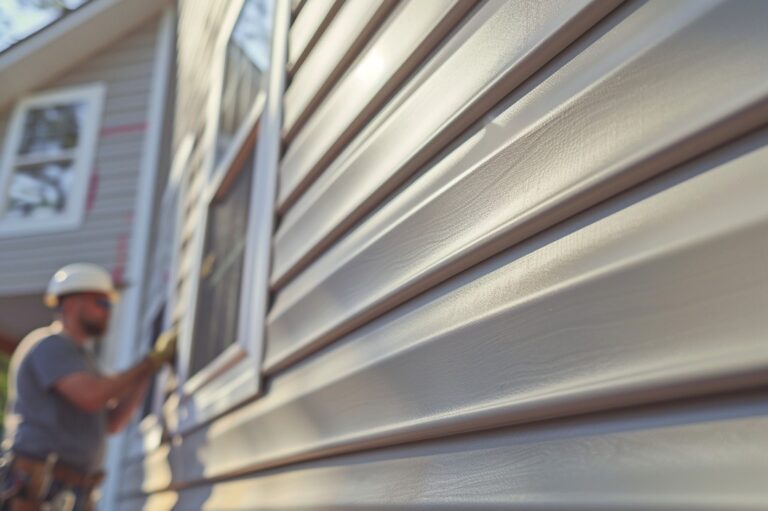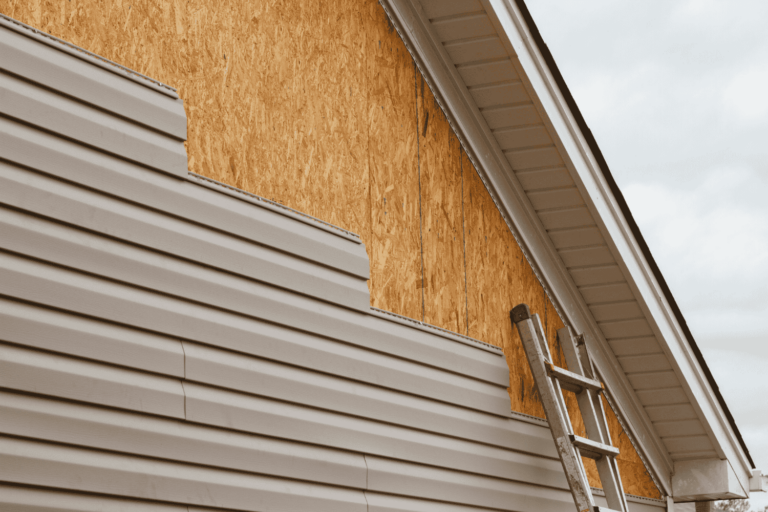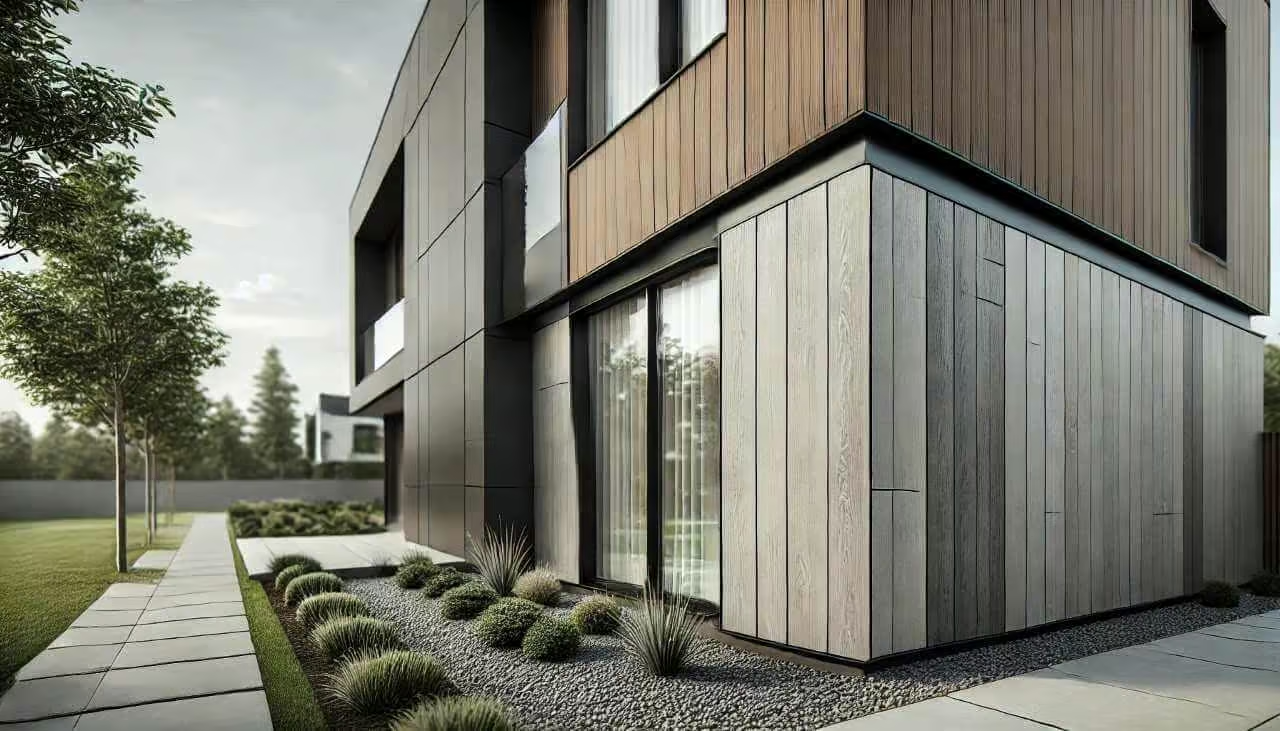
How to Manage Composite Siding Fading Restoration Strategy
Ultraviolet radiation degrades exterior building cladding through continuous photochemical oxidation. Solar energy breaks molecular bonds within synthetic polymers, organic pigments, and resin matrices. These chemical reactions cause gradual color shifts, surface chalking, and loss of original sheen across exterior elevations. How to Manage Composite Siding Fading. Darker colors absorb higher solar radiation, accelerating thermal oxidation and surface breakdown. Property owners must evaluate material degradation mechanisms to preserve building appearance and structural integrity over decades.
Managing color retention requires analyzing raw material formulations and environmental exposure factors. Composite cladding assemblies combine mineral fillers, cementitious binders, polymers, or wood fibers with protective cap layers and factory-applied finishes. High-elevation installations experience intense UV exposure, while coastal properties face combined damage from solar radiation and salt air exposure. Proper maintenance routines remove airborne particulates, atmospheric pollutants, and organic spores that accelerate surface breakdown.
Understanding how to manage composite siding fading requires evaluating surface cleaning, protective sealants, and field-applied coating systems. Applying standard exterior latex paints over degraded composite substrates often leads to early adhesion failure and peeling. Specialty coatings must accommodate thermal linear movement without cracking or losing adhesion. Combining gentle surface preparation, high-performance acrylic primers, and heat-reflective topcoats restores faded composite siding while extending cladding service life.
This technical guide provides building owners, facility managers, and exterior restoration specialists with an analytical evaluation framework. By examining photochemical degradation science, coating compatibility, cleaning chemistry, and lifecycle cost dynamics, property professionals can execute durable facade restoration projects.
Understanding How to Manage Composite Siding Fading
Learning how to manage composite siding fading requires analyzing the physical and chemical changes that alter exterior cladding surfaces. Solar ultraviolet radiation breaks chemical bonds within composite substrates, releasing free radicals that degrade surface pigments and polymer binders. This photochemical reaction dulls vibrant colors, creates a powdery white surface residue known as chalking, and alters the original material texture.
Building scientists evaluate cladding color retention across four primary physical parameters:
-
Delta E Color Variation Index: The quantitative measurement of color change between original factory specifications and weathered field conditions over time.
-
Photo-Oxidative Degradation Rate: The speed at which solar radiation breaks molecular polymer chains in exterior cladding materials.
-
Surface Chalking Density: The rate of microscopic polymer binder loss that releases unbonded pigment particles onto board surfaces.
-
Coating Adhesion Modulus: The mechanical bonding strength between field-applied restoration coatings and aged composite substrates.
Focusing solely on cosmetic color changes ignores underlying material degradation. Assuming simple pressure washing restores faded siding overlooks microscopic surface damage caused by high-pressure water streams. High-pressure washing drives moisture into micro-cracks, causing substrate swelling and coating delamination. Effective restoration requires gentle chemical cleaning followed by specialized protective coatings.
Photochemical Mechanisms and UV Solar Breakdown
Short-wavelength solar UV radiation breaks carbon-carbon bonds within synthetic polymers. This chemical breakdown releases free radicals that react with oxygen, causing surface fading, discoloration, and micro-cracking across exposed board surfaces.
Surface Chalking and Pigment Oxidation Dynamics
As solar radiation degrades protective polymer resins, loose pigment particles separate from the substrate matrix. Rain washes away these unbonded particles, creating a chalky white film and uneven surface fading across building elevations.
Environmental Drivers and Atmospheric Exposures
High altitudes, intense solar exposure, and coastal salt spray accelerate composite fading. Industrial airborne pollutants and acid rain react chemically with surface pigments, speeding up color breakdown and surface chalking.
Historical Evolution of Cladding Color Retention
Early synthetic siding introduced during the mid-twentieth century suffered from poor color stability. Unprotected polymers degraded quickly under solar exposure, turning dark colors gray within a few years of installation. Early organic pigments broke down rapidly when exposed to outdoor solar radiation.
During the late twentieth century, manufacturers introduced inorganic ceramic pigments and titanium dioxide UV blockers. These additives improved color stability, but un-capped composite materials still experienced surface chalking under intense solar radiation.
Modern manufacturing uses co-extruded acrylic cap layers, advanced fluoropolymer coatings, and heat-reflective ceramic pigments. To understand how to manage composite siding fading today, restoration specialists must evaluate substrate material chemistry alongside field-applied acrylic coatings.
Early Synthetic Polymers and Pigment Degradation
Early synthetic cladding lacked UV stabilizers, resulting in rapid color degradation, surface chalking, and material embrittlement after brief outdoor solar exposure.
Introduction of Co-Extruded Acrylic Cap Layers
Developing acrylic cap layers provided a protective shield over composite cores, blocking UV rays and improving long-term color retention.
Modern Field-Applied Coating Innovations
Advanced field-applied acrylic coatings feature heat-reflective pigments that restore faded composite siding while reducing solar heat absorption.
Conceptual Frameworks and Degradation Physics
Analyzing composite siding degradation requires applying established physical frameworks. The photolytic chain scission model calculates polymer bond breaking rates based on cumulative solar radiation exposure.
Solar Reflectance Index (SRI) modeling evaluates how surface color affects solar heat absorption. Dark composite panels absorb higher solar radiation, raising board surface temperatures well above ambient air temperatures. High heat accelerates thermal oxidation, speeding up surface fading.
Hygrothermal modeling simulates simultaneous heat and moisture movement through composite cladding layers. Absorbed surface moisture speeds up chemical hydrolysis, breaking down polymer binders and releasing surface pigments.
Photolytic Chain Scission Modeling
Solar UV radiation breaks molecular polymer chains, creating free radicals that react with atmospheric oxygen to accelerate surface breakdown.
Solar Reflectance Index and Heat Accumulation
Lower SRI values indicate higher solar heat absorption. Heat buildup raises board surface temperatures, accelerating chemical degradation and surface fading.
Moisture-Induced Hydrolysis and Surface Oxidation
Absorbed moisture reacts chemically with polymer binders, speeding up resin breakdown and causing surface chalking across exposed siding panels.
Substrate Variations and Restoration Pathways
Selecting appropriate restoration methods requires matching cleaning chemistry and coatings to specific composite substrate properties.
Capped Cellular PVC and Polymeric Matrices
Cellular PVC features a micro-cellular core protected by an acrylic cap layer. Faded cellular PVC requires gentle chemical cleaning and 100% acrylic latex paint formulated with heat-reflective pigments to prevent thermal panel distortion.
Fiber Cement Board Architectural Finishes
Fiber cement combines portland cement, silica sand, and cellulose fibers. Faded fiber cement requires thorough surface chalk removal, an alkali-resistant acrylic primer, and premium exterior acrylic topcoats.
Engineered Wood Fiber Resin Composites
Engineered wood uses refined wood strands bonded with synthetic resins under heat and pressure. Restoring faded engineered wood requires washing away surface oxidation and applying breathable acrylic coatings that allow interior moisture to escape.
High-Density Poly-Ash Composite Assemblies
Combining fly ash with polyurethane polymers creates rigid, highly durable boards. Poly-ash materials absorb virtually no water, allowing direct application of premium acrylic paints without specialized primers.
Mineral Composite Structural Panels
Crushed limestone and polymer binders produce rigid cladding panels. Faded mineral composites require low-pressure washing, surface etching primers, and high-performance fluoropolymer or acrylic coatings.
Glass-Fiber Reinforced Concrete Cladding
Glass-fiber concrete combines portland cement with alkali-resistant glass fibers. Restoring faded concrete cladding requires penetrating silane-siloxane sealers or breathable mineral silicate paints that preserve vapor permeability.
Substrate Restoration Comparison Metrics
| Composite Substrate Class | Fading Resistance Level | Primary Degradation Driver | Surface Preparation Requirement | Preferred Recoating Strategy | Expected Coating Lifespan |
| Capped Cellular PVC | High Resistance | High Solar Heat Buildup | Chemical Dewaxing Wash | Heat-Reflective Acrylic Paint | 12 – 15 Years |
| Fiber Cement Board | Moderate Resistance | Surface Chalking & Moisture | Low-Pressure Power Wash | Alkali-Resistant Acrylic System | 10 – 15 Years |
| Engineered Wood Fiber | Moderate Resistance | Organic Surface Oxidation | Oxygen Bleach Wash | Breathable Exterior Acrylic | 8 – 12 Years |
| Poly-Ash Composite | High Resistance | Surface Pigment Fading | Mild Detergent Cleaning | Standard Premium Acrylic Paint | 12 – 15 Years |
| Mineral Composite | Very High Resistance | Light Surface Dullness | Light Abrasive Wash | High-Performance Acrylic Topcoat | 15 – 20 Years |
| Glass-Fiber Concrete | Maximum Resistance | Surface Carbonation | Steam or Chemical Cleaning | Mineral Silicate / Silane Sealer | 15 – 25 Years |
Strategic Restoration Logic
Specify heat-reflective acrylic coatings when restoring dark cellular PVC or vinyl composite siding to prevent heat buildup and board buckling. Select alkali-resistant acrylic primers and topcoats for fiber cement panels to ensure long-term adhesion over cementitious substrates. Use breathable exterior acrylic paints on engineered wood composite siding to allow wall cavity moisture to escape safely.
Real-World Architectural Restoration Scenarios How to Manage Composite Siding Fading
High-Altitude Alpine UV Solar Exposure
A mountain residence experienced rapid siding fading due to intense UV radiation at high altitude. Restoration specialists washed away surface chalking using sodium percarbonate, applied an acrylic masonry primer, and sprayed two coats of heat-reflective acrylic paint, restoring the original appearance.
Oceanfront Marine Salt Fog Degradation
A coastal residential property developed a dull, cloudy film over its composite siding from salt air exposure. Contractors cleaned the boards with a neutral detergent, rinsed with fresh water, and applied a fluoropolymer protective clear coat to resist future salt air corrosion.
Subtropical High-Humidity Surface Chalking
A subtropical home developed heavy surface chalking and mildew stains behind composite siding panels. Restoration crews applied a mildewcide cleaning solution, scrubbed the surfaces gently, and applied 100% acrylic exterior paint with integrated biocide additives.
Urban Microclimate Industrial Pollutant Accumulation
An urban building suffered dark surface staining from vehicle exhaust and industrial pollutants. Workers cleaned the facade using an alkaline detergent, applied a bonding primer, and finished with a self-cleaning acrylic topcoat that uses rainwater to shed dirt.
Lifecycle Economics and Financial Dynamics
Understanding how to manage composite siding fading requires comparing field restoration costs against complete cladding replacement expenses. Restoring composite siding through professional cleaning and recoating extends facade service life at a fraction of full replacement costs.
Project budgets divide across surface preparation (25% to 35%), coating materials (25% to 35%), and labor (35% to 45%).
| Restoration vs Replacement Option | Initial Cost Range (sq ft) | Expected Service Life Extension | Annual Maintenance Requirement | Total 30-Year Net Lifecycle Exposure |
| Professional Cleaning & Sealing | $1.50 – $3.50 | 3 – 5 Years Extension | Annual Gentle Washing | $6.00 – $12.00 per sq ft |
| Premium Acrylic Recoating | $4.50 – $8.50 | 10 – 15 Years Extension | Inspection Every 3 Years | $11.00 – $18.00 per sq ft |
| Fluoropolymer Coating System | $8.00 – $14.00 | 15 – 20 Years Extension | Inspection Every 5 Years | $16.00 – $22.00 per sq ft |
| Complete Siding Replacement | $16.00 – $32.00 | 30 – 50 Years (New System) | Routine Annual Washing | $22.00 – $42.00 per sq ft |
Professional recoating restores faded composite siding while avoiding the high material and labor expenses of complete cladding replacement.
Specialized Restoration Equipment and Materials
Achieving high-quality restoration requires using tools and materials engineered for composite substrate preparation and coating application.
Essential Hardware and Chemical Solutions
-
Low-Pressure Chemical Applicator Pumps: Soft-wash spraying equipment that applies cleaning solutions safely without damaging composite surfaces.
-
Sodium Percarnonate Cleaning Solutions: Oxygen-based detergents that lift chalked pigments and organic stains without stripping substrate resins.
-
Heat-Reflective Acrylic Exterior Paints: Premium coatings containing infrared-reflective pigments that reduce surface solar heat gain.
-
Cross-Hatch Adhesion Test Kits: Diagnostic tools used to measure paint bonding strength on aged composite boards prior to full recoating.
Using low-pressure cleaning equipment prevents surface gouging and water intrusion during substrate preparation.
Structural Risk Landscape and Failure Modes
Coating Adhesion Failure and Intercoat Peeling
Applying paint over uncleaned, chalky composite siding prevents proper coating adhesion. The new paint layer blisters and peels away within two years, requiring complete mechanical stripping.
Thermal Heat Absorption and Board Distortion
Painting dark colors over cellular PVC or vinyl composite siding increases solar heat absorption. Excess heat causes boards to soften, warp, and buckle away from wall sheathing.
Substrate Damage from High-Pressure Washing
Using pressure washers above 1,500 PSI gouges soft composite boards, strips protective cap layers, and forces water behind siding lap joints into structural wall cavities.
Architectural Governance and Maintenance Protocols
Ensuring long-term color retention requires systematic inspections, gentle surface cleaning, and timely coating maintenance.
Annual Surface Inspection Frameworks
Inspectors should check south and west-facing wall elevations annually for early signs of surface chalking, uneven color fading, sealant cracking, and coating peeling.
Maintenance Schedules and Cleaning Routines
Washing composite siding every one to two years using low-pressure fresh water and mild detergent removes dirt, pollen, and pollutants that accelerate surface fading.
Field Documentation and Verification Standards
Keep records of paint color codes, coating batch numbers, installation dates, and maintenance logs to ensure consistent color matching during future repair work.
Common Industry Misconceptions and Errors
“Composite Siding Never Fades or Requires Maintenance”
All exterior materials undergo gradual color changes when exposed to solar radiation. Regular cleaning and protective recoating preserve original surface appearance over long service lives.
“Any Exterior Paint Can Be Applied Over Composite Siding”
Standard exterior latex paints lack the flexibility and solar reflectivity needed for composite materials. Using non-reflective dark paints over polymer composites causes thermal warping and board distortion.
“High-Pressure Power Washing Is the Best Way to Clean Faded Siding”
High water pressure damages composite surfaces and forces water into wall cavities. Low-pressure chemical soft-washing removes chalking and dirt safely without damaging substrate materials.
Environmental Stewardship and Regulatory Compliance
Managing composite siding fading through professional recoating reduces environmental impact by extending cladding service life and keeping building waste out of landfills.
Modern restoration coatings comply with strict Volatile Organic Compound (VOC) regulations, improving air quality during application while delivering high weather resistance.
Architectural Synthesis and Restoration Strategy
Knowing how to manage composite siding fading enables property owners to maintain building appearance, protect structural investments, and delay costly cladding replacement. Fiber cement requires alkali-resistant acrylic systems, engineered wood benefits from breathable coatings, and cellular PVC requires heat-reflective paint formulations to prevent thermal distortion.
Combining low-pressure soft washing, proper substrate priming, and high-performance acrylic topcoats restores faded composite siding, keeping building facades visually appealing and weather-tight for decades.