How to Manage Composite Siding Thermal Expansion in Exterior Assemblies
Exterior building envelope performance depends heavily on structural movement control. As exterior ambient temperatures fluctuate, composite cladding panels undergo continuous expansion and contraction. How to Manage Composite Siding Thermal Expansion. Managing this physical movement requires clear understanding of material chemistry, thermal physics, and fastener mechanics. When thermal forces are ignored during detailing, cladding systems rapidly develop systemic structural failures.
High-performance composite siding—manufactured from fiber cement, engineered wood, cellular PVC, poly-ash, or mineral aggregates—offers exceptional durability against weather. However, every composite substrate exhibits distinct dimensional movements under daily solar heating and seasonal cold. Polymer-dense formulations expand significantly along their horizontal length, while cementitious boards move primarily in response to moisture shifts.
Failing to control movement forces causes visible panel warping, joint shearing, loose fasteners, and torn weather barriers. Liquid water enters through sheared butt joints, trapping moisture inside structural framing. Over time, trapped water rots sheathing studs, degrades internal insulation, and destroys structural envelope integrity.
This comprehensive guide presents an analytical framework for controlling physical expansion forces across composite siding installations. By analyzing material mechanics, temperature calculations, fastener systems, and field details, building professionals can design resilient exterior facades.
Understanding How to Manage Composite Siding Thermal Expansion
Learning how to manage composite siding thermal expansion requires treating the exterior wall as a dynamic structural assembly. The term composite describes materials manufactured by combining distinct components to achieve superior mechanical properties. Within building envelope engineering, thermal management coordinates structural framing, slide-clip systems, temperature-adjusted expansion gaps, and flexible sealants.
Architects and envelope specialists evaluate thermal expansion behavior using four core metrics:
-
Coefficient of Linear Thermal Expansion (CLTE): The fractional change in panel length per degree of temperature variation.
-
Delta T ($\Delta T$) Temperature Range: The differential between peak solar heating temperatures and extreme seasonal freezing minimums.
-
Fastener Slot Shear Tolerance: The mechanical movement capacity of a nail or clip within designated panel slots.
-
Modulus of Elasticity ($E$): The material stiffness that dictates whether a pinned board flexes, buckles, or shears fasteners under stress.
Oversimplifying thermal movement leads to severe facade failures. Rigidly pinning long composite boards without thermal gaps forces panels to buckle outward when heated by solar radiation. Effective installation designs allow uninhibited panel movement along horizontal axes while retaining solid resistance against negative wind suction.
Historical Context and Systemic Movement Evolution
Traditional solid lumber siding expanded and contracted primarily due to moisture absorption rather than temperature changes. Old-growth wood possessed high structural density, allowing carpenters to face-nail lap planks directly into wall studs. However, as second-growth softwoods replaced natural old-growth timber, wood boards became far more prone to extreme moisture warping and surface cracking.
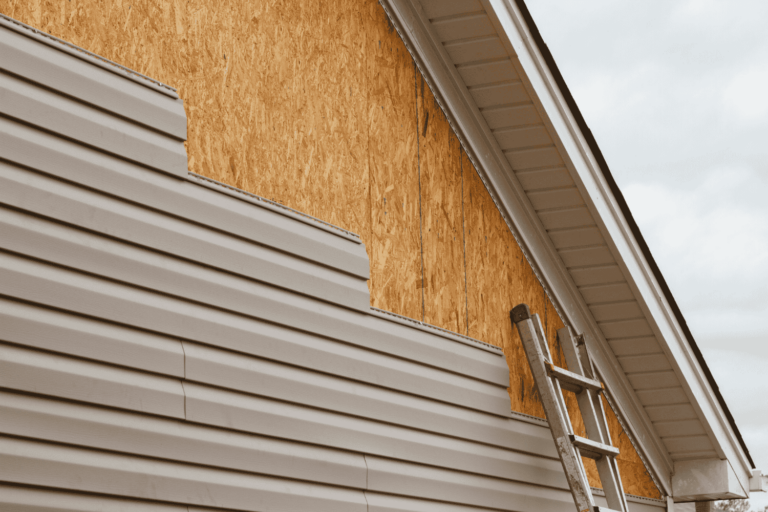
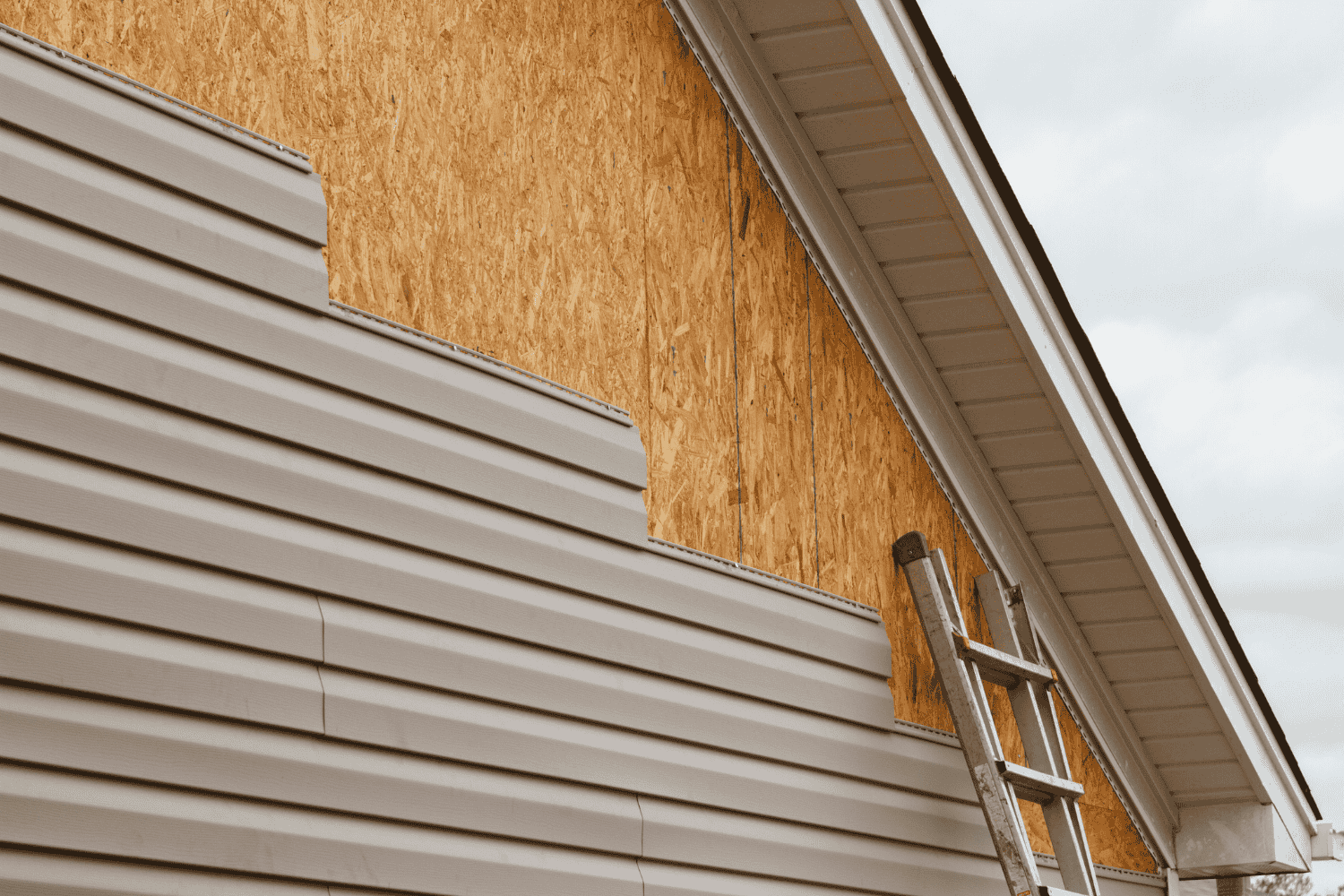
Mid-twentieth-century construction saw widespread adoption of vinyl lap siding as a low-maintenance solution. Vinyl introduced high thermal expansion rates into residential facades. Installers who nailed vinyl boards tightly to sheathing caused massive panel buckling during summer heat waves, proving that flexible polymers demand floating attachment systems.
The arrival of fiber cement in the late 1980s provided high dimensional stability under thermal shifts, but moisture movement remained a key factor. Subsequent modern developments—including cellular PVC, poly-ash, and mineral-reinforced polymers—offer diverse expansion rates. Contemporary envelope design relies on engineered expansion joints, back-ventilated rainscreens, and slip-clip fasteners to accommodate kinetic board movement safely.
Engineering Frameworks and Thermal Expansion Dynamics
Linear Expansion Calculations and Movement Allowance
Calculating total physical movement requires evaluating the panel length ($L$), the material’s expansion coefficient ($\alpha$), and the expected temperature variance ($\Delta T$). The governing formula $\Delta L = \alpha \cdot L \cdot \Delta T$ determines the required joint clearance. Polymer-based panels installed on cold winter mornings require wider corner gaps than panels mounted during peak summer heat.
Solar Absorption and Dark Surface Heat Accumulation
Dark exterior paint colors absorb solar radiation rapidly, raising surface temperatures significantly above ambient air levels. A dark cellular PVC panel exposed to direct sunlight can reach internal temperatures above 160°F (71°C) on a 90°F (32°C) day. Higher surface temperatures accelerate linear movement, demanding wider expansion gaps and heat-reflective paint coatings.
Mechanical Fastener Shear and Thermal Pinning Mechanics
When a composite board expands, mechanical fasteners resist horizontal movement through friction. Pinning a board tightly at both ends creates compressive stress that causes outward panel bowing. Installing a single locking pin at the board center while using friction-free slide fasteners at outer ends directs thermal movement outward safely.
Composite Material Formulations and Expansion Properties
Managing thermal dynamics successfully requires matching installation details to the specific physical properties of each composite material matrix.
Fiber Cement Systems
Manufactured from Portland cement, ground silica, and cellulose fibers, fiber cement boards demonstrate low thermal expansion rates. Their physical movement is driven primarily by moisture absorption rather than solar heating. Consequently, expansion gaps at trim intersections focus on preventing capillary moisture wicking rather than accommodating large thermal swings.
Engineered Wood Composites
Formulated from borate-treated wood strands bound with exterior phenolic resins, engineered wood provides high flexural strength. Its thermal expansion rate remains low to moderate, though moisture absorption causes slight length variations. All field-cut edges must be primed to prevent localized end-grain swelling.
Cellular PVC Cladding
Cellular PVC features a micro-foam polymer core encapsulated within a rigid solid skin. Possessing a high expansion rate, cellular PVC moves significantly during daily solar heating cycles. Slotted fastener hems, hidden sliding clips, and deep trim pockets are required to keep panels flat over varying temperatures.
Poly-Ash and Fly Ash Formulations
Combining coal combustion fly ash with polyurethane polymers creates lightweight, dimensionally stable composite planks. Poly-ash displays low thermal movement and zero water absorption. Its minimal expansion rate allows tight butt joints across long architectural wall runs without fear of seasonal buckling.
Mineral-Reinforced Composites
Formulated with ground limestone or mineral cores wrapped in protective acrylic surfaces, these materials blend clean visual lines with low expansion rates. Mineral reinforcement controls polymer chain movement, reducing thermal expansion while maintaining high resistance against solar fading and mechanical impact.
| Composite Substrate | Expansion Coefficient (α) | Water Absorption | Primary Movement Force | Recommended Fastener System |
| Fiber Cement | Low ($4.0 – 5.5 \times 10^{-6} /\text{°F}$) | Moderate | Ambient Moisture | Hard-nailed flush through pre-punched holes |
| Engineered Wood | Low ($5.0 – 6.5 \times 10^{-6} /\text{°F}$) | Low to Moderate | Moisture & Temperature | Direct face or blind nails with sealed cut ends |
| Cellular PVC | High ($30.0 – 35.0 \times 10^{-6} /\text{°F}$) | Zero (<0.5%) | Solar Thermal Heating | Slotted nail hems or sliding clip systems |
| Poly-Ash Composite | Low ($9.0 – 12.0 \times 10^{-6} /\text{°F}$) | Zero (<0.5%) | Minimal Thermal Shifts | Standard face or blind woodworking fasteners |
| Mineral Composite | Moderate ($12.0 – 16.0 \times 10^{-6} /\text{°F}$) | Zero (<0.5%) | Direct Thermal Exposure | Interlocking hidden tracks or slide clips |
Strategic Material Selection Logic
Select fiber cement or poly-ash when low thermal movement and tight joint tolerances are required on dark architectural elevations. Choose engineered wood when high flexural strength is needed over wide stud spacing. Opt for cellular PVC or mineral composites in coastal zones where complete moisture immunity is essential, ensuring high-expansion clip hardware is incorporated.
Real-World Climate Scenarios and Field Constraints How to Manage Composite Siding Thermal Expansion
High-Altitude Mountain Microclimates
Alpine environments feature sharp diurnal temperature shifts, often swinging 50°F (28°C) within hours, alongside high solar UV levels. High expansion panels move constantly across these day-night cycles. Installing poly-ash or mineral composites over ventilated rainscreen furring strips isolates thermal movement from underlying timber framing.
Coastal Marine Environments
Coastal sites experience persistent moisture, salt air, and high wind loads, though ocean currents moderate air temperatures. Metal fasteners corrode rapidly in marine salt air. Installing cellular PVC or fiber cement using 316-grade stainless steel fasteners set within wide expansion slots prevents corrosion binding and panel buckling under wind loads.
Hot Arid Desert Zones
Desert regions push exterior wall surfaces to extreme temperatures during daytime exposure, followed by rapid nighttime cooling. Solar heating can cause standard vinyl or low-grade polymers to soften and sag under their own weight. Specifying fiber cement or poly-ash boards ensures high dimensional stability without thermal softening.
Financial Metrics, Lifecycle Dynamics, and Cost Allocation
Learning how to manage composite siding thermal expansion includes evaluating initial hardware investments against long-term maintenance costs. Installing engineered clip systems increases initial hardware expenses but avoids costly repairs caused by torn panels and sheared trim.
A project’s 30-year lifecycle budget splits across initial material procurement (approximately 25% to 35%), professional labor and installation (35% to 50%), and long-term maintenance, such as repainting and sealant replacement (20% to 30%).
| Cladding System | Initial Hardware Cost (sq ft) | Labor Installation Cost (sq ft) | 30-Year Maintenance Cost (sq ft) | Total Estimated 30-Year Cost (sq ft) |
| Fiber Cement | $4.50 – $8.00 | $6.00 – $10.00 | $7.50 – $10.00 | $18.00 – $26.00 |
| Engineered Wood | $4.00 – $7.00 | $5.00 – $8.50 | $7.00 – $9.50 | $16.00 – $23.50 |
| Cellular PVC | $8.50 – $15.00 | $7.00 – $12.00 | $2.50 – $4.00 | $20.00 – $31.00 |
| Poly-Ash Composite | $7.50 – $12.00 | $6.50 – $11.00 | $5.00 – $7.00 | $19.00 – $28.00 |
| Mineral Composite | $9.00 – $16.00 | $8.00 – $13.50 | $2.50 – $4.50 | $21.50 – $33.00 |
Investing in continuous expansion hardware increases initial construction budgets slightly. However, these upfront investments prevent board detachment, joint failure, and water intrusion repairs over the building’s lifespan.
Specialized Fastening Hardware, Tools, and Support Systems
Properly managing thermal movement requires specialized hardware components designed to allow controlled kinetic board sliding without compromising structural wind resistance.
Specialized Hardware Components
-
Slotted Fastener Hems: Factory-punched oblong slots that guide horizontal panel movement while holding boards securely against walls.
-
Sliding Metal Clip Tracks: Interlocking metal tracks that allow composite boards to glide horizontally during thermal cycles.
-
Centering Fastener Bushings: Specialized plastic sleeves that prevent nail shanks from binding tightly against board edges.
-
316-Grade Stainless Steel Ring-Shank Nails: Corrosion-free nails that maintain smooth shear planes over long service lives.
Drive fasteners flush against panels without crushing surface layers. Over-driven nail heads lock boards in place, preventing natural expansion and causing panel buckling under summer heating.
Comprehensive Failure Taxonomy and Risk Landscapes
Over-Tightened Fasteners and Thermal Buckling
Nailing high-expansion composite boards tightly to wall sheathing prevents natural movement. When panels expand under summer solar heating, compressive stress forces boards to bow outward, creating large gaps that invite wind-driven rain inside wall cavities.
Sheared Fasteners and Board Detachment
Restricting thermal expansion forces kinetic energy directly onto rigid mechanical fasteners. Repeated daily expansion cycles create high shear stress that snaps nail shanks over time, leaving siding panels unattached and vulnerable to wind blow-off.
Sealant Joint Tear and Moisture Infiltration
Applying rigid caulk inside thermal movement joints locks panel ends together. As boards contract during winter cold, tensile forces pull the caulking apart, tearing sealant bonds and creating open pathways for rain penetration.
Long-Term Maintenance Protocols and Field Adaptations
Preserving thermal movement capacity requires ongoing inspections, cleaning, and timely joint maintenance over the building’s service life.
Annual Thermal System Maintenance Checklist
-
Inspect Expansion Joints: Check corner pockets and trim intersections for sealant tearing or physical binding.
-
Clear Debris from Movement Channels: Remove dirt, leaves, and insect nests from slotted clips and drainage gaps to ensure smooth movement.
-
Evaluate Surface Paint Integrity: Ensure dark field-applied coatings use solar-reflective pigments to limit panel heat absorption.
-
Verify Fastener Clearance: Check that panel ends retain required clearance gaps inside trim channels during hot summer months.
Replacing damaged sealants with high-grade, flexible polyurethane or silane-modified polymer caulks restores weather protection without restricting natural thermal movement.
System Verification Metrics and Tracking Documentation
Ensuring long-term cladding stability requires tracking installation tolerances during and after construction. Fasteners must sit centered in slotted holes, clearance gaps must account for ambient installation temperatures, and rainscreen cavities require continuous ventilation paths.
Quality Control Verification Metrics
-
Temperature-Adjusted Gap Widths: Confirm joint clearances match manufacturer temperature charts during installation.
-
Fastener Depth Tolerances: Ensure nail heads sit flush without pin-locking high-expansion boards.
-
Rainscreen Ventilation Openings: Verify top and bottom cavity vents remain clear of obstruction.
Documenting installation steps with dated photos provides clear proof of correct thermal detailing for future property evaluations and warranty claims.
Industry Misconceptions and Structural Detailing Errors
“All Composite Materials Expand at the Same Rate”
Composite formulations vary significantly in their mechanical movement. Polymer-based boards move primarily in response to temperature changes, whereas cementitious and wood composites react more to moisture absorption.
“Caulking All Butt Joints Prevents Water Intrusion Safely”
Hard-caulking butt joints on high-expansion panels locks boards together tightly. When winter cold arrives, board contraction tears sealant bonds, opening wide paths for water penetration.
“Face-Nailing High-Expansion Panels Adds Extra Wind Security”
Face-nailing through high-expansion panels pins boards rigidly to structural framing. Prevented from moving horizontally, expanding boards bow outward or crack around nail shanks under solar heat.
Building Codes, Environmental Standards, and Compliance
Building code standards mandate that exterior envelope assemblies accommodate structural movements caused by wind, settling, and thermal changes. Modern building regulations require cladding installations to maintain structural stability while providing continuous weather protection.
Applying methods for how to manage composite siding thermal expansion ensures compliance with structural wind load requirements and energy conservation standards. Utilizing durable, thermally stable composite cladding extends building service life and lowers environmental impacts associated with frequent material replacement.
Final Architectural Synthesis and Engineering Judgment
Mastering how to manage composite siding thermal expansion requires balancing material dynamics, thermal physics, structural fastening, and long-term maintenance planning. Fiber cement offers high dimensional stability under thermal shifts, engineered wood provides strong flexural load distribution, and cellular PVC or poly-ash composites deliver complete moisture immunity when installed with slip-clip hardware.
Matching material expansion coefficients to site climate conditions and detailing panels within ventilated rainscreen assemblies ensures exterior walls remain structurally sound, visually flat, and weather-tight for decades.