How to Plan Composite Siding on a Budget for Residential Projects
Building envelope investments dictate both aesthetic value and structural durability for modern homes. When property owners evaluate exterior cladding upgrades, composite materials present an exceptional balance of longevity, weather resistance, and reduced maintenance. How to Plan Composite Siding on a Budget. However, financial miscalculations during early planning stages frequently cause unexpected cost overruns, forcing compromises that undermine long-term envelope integrity.
Navigating material selection and installation logistics demands rigorous analytical planning. The phrase composite siding encompasses diverse substrate formulations, including fiber cement, engineered wood, cellular PVC, poly-ash, and mineral-bound aggregates. Each material carries distinct manufacturing economics, labor requirements, fastener specifications, and structural prep work. Budgetary failures rarely stem from material costs alone; instead, they emerge when indirect costs—such as tear-off logistics, structural substrate repairs, flashing details, and rainscreen accessories—are overlooked during project scoping.
Achieving cost efficiency requires treating the installation as a unified financial and engineering system. Savings realized by selecting cheaper siding panels vanish quickly if improper installation causes water intrusion, joint failure, or premature paint peeling. Real financial optimization requires balancing initial capital outlays against long-term operational and maintenance expenses.
This comprehensive guide provides an analytical framework for controlling project expenses while maintaining high architectural standards. By systematically evaluating material mechanics, labor dynamics, waste margins, and structural scope, property owners and building professionals can plan cost-effective composite siding installations without sacrificing performance.
Understanding How to Manage Composite Siding Budgets
Learning how to plan composite siding on a budget requires viewing exterior wall assemblies through financial, structural, and mechanical lenses. The term composite describes engineered cladding products that combine raw fibers, cements, resins, or polymers to enhance physical performance. Within construction management, budgeting coordinates material procurement, structural sheath preparation, labor scheduling, weather barrier integration, and waste management.
Architects and construction managers analyze budget efficiency using four fundamental metrics:
-
Total Cost of Ownership (TCO): The cumulative expenditure of installing, maintaining, painting, and repairing a cladding system over a 30-year lifecycle.
-
Net Installed Cost Per Square Foot: The combined cost of raw siding panels, underlayment, trim profiles, fasteners, and installation labor per unit area.
-
Substrate Preparation Ratio: The percentage of the total budget allocated to structural repair, sheath leveling, and weather barrier detailing prior to panel mounting.
-
Waste Factor Margin: The additional material volume purchased to account for diagonal cuts, window cutouts, site breakage, and material layout geometry.
Oversimplifying these financial metrics causes severe budget failures. Selecting low-cost cladding panels while ignoring specialized fastener needs or mandatory trim channels leads to mid-project cost spikes. Effective financial planning aligns material mechanics with realistic labor capabilities, ensuring total project expenditures stay within target constraints.
Managing Hidden Structural Prep Expenses
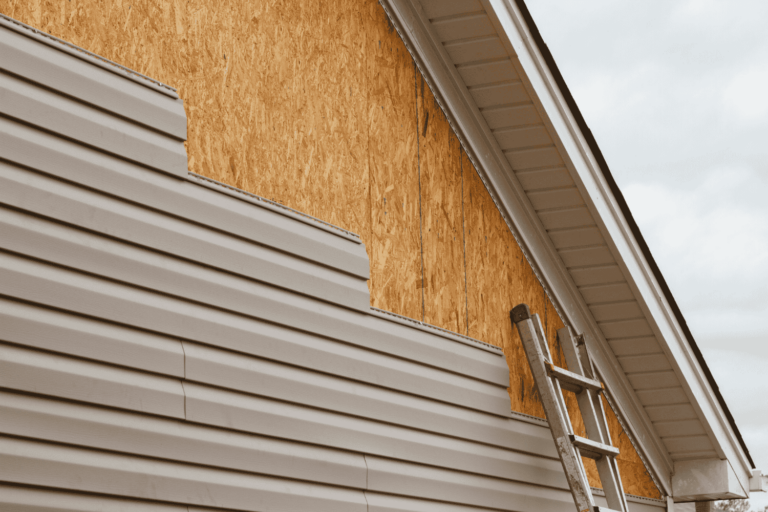
Substrate repairs often trigger unplanned costs once old cladding is removed. Moisture damage hidden behind old wall sections requires structural OSB replacement and framing alignment. Setting aside a dedicated contingency fund protects project budgets from sudden cost expansion during initial tear-off phases.
Labor Dynamics and Productivity Metrics
Labor costs vary depending on composite board density, weight, and joining requirements. Heavy fiber cement panels require two workers for handling and specialized dust-cutting tools, increasing labor hours. Lighter engineered wood or poly-ash boards allow faster single-worker handling, reducing labor expenses per square foot.
Material Layout Optimization
Minimizing waste requires matching siding panel lengths to building facade geometry. Standard 12-foot planks installed across long continuous walls generate minimal scrap, whereas complex elevations with multiple window openings increase material waste factors to 15% or higher.
Historical Evolution of Cladding Costs and Budgetary Shift
Traditional wood cladding relied on abundant old-growth timber, providing natural rot resistance at accessible material costs. Carpenters installed solid wood planks directly over board sheathing using standard hand tools. However, as natural lumber resources declined, rising timber prices and frequent repainting needs increased long-term maintenance costs for property owners.
Mid-twentieth-century construction introduced vinyl and aluminum lap siding as low-cost alternatives. These synthetic systems reduced upfront installation labor and eliminated painting expenses. However, vinyl panels offered lower impact resistance and high thermal expansion rates, often leading to cracked, buckled panels that reduced home values over time.
The development of fiber cement and engineered wood composites in the late twentieth century established a new category of exterior cladding. While initial composite material prices exceeded basic vinyl, their long life cycles and realistic wood textures created superior long-term value. Contemporary budget planning balances initial installation labor against 30-year maintenance cycles, making composite cladding a highly cost-effective strategy.
Shift from Upfront Price to Lifecycle Value
Modern home construction prioritizes long-term material performance over cheap upfront purchases. Composite siding reduces recurring maintenance costs, such as frequent repainting and rotted board replacement, providing strong long-term ROI.
Impact of Synthetic Resin Market Shifts
Fluctuations in raw polymer, cement, and resin prices directly influence composite siding costs. Understanding market trends helps project planners time material purchases effectively, avoiding seasonal price surges.
Evolution of Modern Installation Hardware
Early composite installations used standard nails, which caused board cracking and surface swelling. The development of specialized self-drilling fasteners, concealed clips, and color-matched trim systems streamlined labor while raising initial hardware allowances.
Conceptual Frameworks and Financial Allocation Models
The Three-Tiered Budget Allocation Framework
Successful financial management splits exterior renovation capital into three distinct buckets: structural substrate preparation (25% to 35%), cladding and trim hardware (30% to 40%), and labor with contingency reserves (30% to 40%). Allocating sufficient funds to substrate prep prevents installing expensive composite panels over damaged wall framing.
The Thermal-Moisture Efficiency Model
Investing in high-grade weather-resistive barriers (WRBs) and ventilated rainscreen furring strips adds small upfront costs but protects overall project investments. Preventing moisture accumulation behind siding panels eliminates expensive framing repairs and structural mold remediation later.
The Fastener-to-Labor Optimization Ratio
Higher hardware investments, such as interlocking blind-clip systems, often reduce installation labor hours significantly. Calculating the balance between clip costs and hourly labor rates determines whether specialized fastening hardware reduces overall project expenses.
The Waste Factor Geometry Matrix
Complex architectural elevations featuring multi-level gables, dormers, and irregular window layouts generate significant material scrap. Adjusting material purchase volumes based on wall complexity prevents mid-project material shortages and extra delivery fees.
Composite Substrate Profiles and Economic Trade-Offs
Learning how to plan composite siding on a budget requires selecting a material substrate that fits structural project needs and financial limits.
Fiber Cement Systems
Composed of Portland cement, silica sand, and cellulose fibers, fiber cement delivers Class A fire resistance and dimensional stability. Raw board costs remain affordable, but high material density increases shipping fees and handling labor. Pre-finished factory-painted boards cost more upfront but eliminate post-installation field painting expenses.
Engineered Wood Composites
Manufactured from zinc borate-treated wood strands bound with exterior resins, engineered wood offers high flexural strength and light weight. Longer 16-foot panel options reduce vertical butt joints and speed up installation, lowering labor costs while providing strong impact resistance.
Cellular PVC Cladding
Cellular PVC features a foam polymer core wrapped in a dense solid skin. Completely impervious to moisture, cellular PVC excels in coastal regions. Higher initial material costs are offset by zero painting needs and minimal long-term maintenance expenses.
Poly-Ash Composite Formulations
Combining fly ash with polyurethane polymers creates lightweight, highly stable planks. Poly-ash cuts easily with standard woodworking tools and absorbs zero water, reducing installation tool costs and edge-sealing labor requirements.
Mineral-Bound Aggregates
Mineral-core composites blend ground stone with resin binders to form ultra-durable panels. While presenting high initial material costs, their extreme UV resistance and structural durability provide low long-term maintenance costs for modern facades.
| Composite Substrate | Material Cost per Sq Ft | Installation Labor Intensity | Pre-Finishing Availability | Expected Service Life | 30-Year Maintenance Level |
| Fiber Cement | $3.50 – $6.50 | High (Dense, heavy handling) | Factory Prime or Paint | 30 – 50 Years | Moderate (Repaint 12-15 yrs) |
| Engineered Wood | $3.00 – $5.50 | Moderate (Light 16ft lengths) | Factory Prime or Paint | 30 – 50 Years | Moderate (Repaint 12-15 yrs) |
| Cellular PVC | $6.50 – $12.00 | Low to Moderate (Easy cutting) | Factory Color Integral | 50+ Years | Very Low (Occasional wash) |
| Poly-Ash Composite | $5.50 – $9.50 | Low (Standard wood tools) | Factory Prime or Paint | 40 – 50 Years | Low (High paint adhesion) |
| Mineral Composite | $7.50 – $14.00 | Moderate (Clip-track systems) | Integrated Color Layer | 50+ Years | Very Low (UV Resistant) |
Strategic Material Selection Logic
Select fiber cement when non-combustible Class A fire performance is required on tight lot lines. Choose engineered wood when installation speed and long panel spans are needed to lower labor expenses. Opt for cellular PVC, poly-ash, or mineral composites in humid coastal zones where long-term moisture immunity balances higher material costs.
Realistic Financial Scenarios and Project Constraints How to Plan Composite Siding on a Budget
Simple Single-Story Sub-Urban Renovation
Single-story homes with simple rectangular footprints yield high labor productivity and minimal material waste (5% to 7%). Utilizing 16-foot pre-finished engineered wood planks eliminates scaffolding setup fees and field painting costs, keeping overall expenses low.
Multi-Story Coastal Retrofit
Coastal projects face severe salt spray, high wind loads, and complex scaffolding needs. Using 316-grade stainless steel fasteners and cellular PVC lap siding increases hardware expenses, but eliminates salt-air corrosion and frequent repainting costs over time.
Historic District Aesthetic Matching
Historic home renovations often mandate specific reveal widths, wood-grain textures, and detailed trim profiles. Utilizing smooth-finish poly-ash boards combined with custom composite trim matches historic aesthetics while avoiding natural wood decay.
High-Wind Alpine Structure
Mountain homes experience freezing temperatures, heavy snowpack accumulation, and high wind loads. Installing fiber cement over vertical rainscreen furring strips isolates thermal expansion movement, preventing structural board cracking during extreme winter cold.
Resource Allocation, Cost Dynamics, and Variable Budgets
Understanding how to plan composite siding on a budget involves evaluating all direct, indirect, and hidden project expenses. Overlooking indirect costs like waste hauling or permit fees can disrupt project budgets unexpectedly.
Direct material purchases account for 30% to 40% of total costs, installation labor represents 35% to 50%, and site prep, flashing, waste disposal, and municipal permits cover the remaining balance.
| Cost Component | Budget Allocation Range | Typical Cost per Sq Ft | Variable Drivers and Financial Controls |
| Raw Siding Substrate | 25% – 35% | $3.00 – $14.00 | Choice of substrate, pre-finished vs primed coating |
| Weather Barrier & Rainscreen | 5% – 10% | $0.50 – $2.50 | Standard housewrap vs 3/8-inch ventilated matrix |
| Trim & Corner Profiles | 10% – 15% | $1.50 – $4.00 | Composite trim boards vs aluminum accent extrusions |
| Fasteners & Flashings | 3% – 7% | $0.40 – $1.20 | Electro-galvanized vs 316-grade stainless steel nails |
| Installation Labor | 35% – 50% | $4.00 – $12.00 | Wall height, staging complexity, crew skill level |
| Waste Removal & Permits | 3% – 5% | $0.30 – $0.80 | Local dumpster rates, municipal permit fee tables |
Managing variable costs requires negotiating fixed-bid labor contracts, setting accurate material waste allowances, and purchasing pre-painted siding panels to eliminate extra trade scheduling fees.
Specialized Estimation Tools, Logistics, and Hardware
Optimizing project expenses requires using accurate estimation software and efficient material handling strategies on site.
Essential Hardware and Planning Tools
-
3D Laser Scanning Apps: Digital measuring tools calculate precise exterior wall surface areas, subtracting window openings accurately.
-
Color-Matched Stainless Steel Screws: Specialized fasteners with pre-painted heads preserve clean visual lines without field touch-ups.
-
Pre-Folded Window Pan Flashings: Integrated sill pans accelerate window detailing work, lowering waterproofing labor hours.
-
Pneumatic Coil Siding Nailers: High-speed nailing tools featuring depth-of-drive adjustments prevent over-driving nails into composite surfaces.
Handling composite materials carefully reduces jobsite damage. Fiber cement boards carried flat can snap easily; carrying panels vertically prevents breakage and protects raw material investments.
Risk Taxonomy and Failure Modes in Budget Execution
Substrate Moisture Rot Discovery
Removing old siding often reveals rotted plywood sheathing caused by past window flashing leaks. Failing to include a 10% to 15% structural contingency fund leaves project budgets unprepared for necessary wood repairs.
Over-Driven Fasteners and Material Damage
Setting pneumatic nailers to high pressures drives nail heads past composite surface layers. Damaged board faces absorb water, leading to localized swelling, paint peeling, and premature board replacement expenses.
Improper Thermal Gap Allowances
Failing to leave expansion gaps at trim intersections forces high-expansion composite panels to buckle during hot summer days. Buckled panels require partial tear-offs and complete board re-installation.
Long-Term Governance, Value Preservation, and Audits
Maintaining composite siding performance requires periodic inspections, cleaning, and timely joint repairs throughout its service life.
Annual Envelope Maintenance Checklist
-
Inspect Movement Sealants: Check caulked joints at trim intersections for cracking, shrinkage, or detachment.
-
Clean Exterior Facades: Wash siding surfaces annually using mild detergent and soft brushes to prevent mold growth.
-
Examine Bottom Drainage Outlets: Ensure bug screens and rainscreen cavity vents remain clear of dirt and debris.
-
Check Ground Clearances: Maintain a 6-inch gap between siding edges and soil, and 2 inches clear of paved surfaces.
Catching minor sealant failures early prevents water infiltration, avoiding major structural framing repairs later.
Measurement Indicators, Tracking Metrics, and Accounting
Evaluating project success requires tracking material usage, labor efficiency, and total financial expenditures throughout construction.
Key Quality and Financial Metrics
-
Material Scrap Ratio: Track scrap percentages against initial waste estimates to manage material use.
-
Fastener Depth Accuracy: Inspect fastener alignment continuously to ensure nail heads sit flush without crushing boards.
-
Labor Hours per Square: Monitor installation speed per 100 square feet to keep labor costs within target estimates.
Documenting installation steps with clear photos creates a helpful record for future home inspections and warranty claims.
Industry Misconceptions and Flawed Financial Assumptions
“Selecting the Cheapest Siding Panel Guarantees the Lowest Project Cost”
Low-cost panels often require complex fasteners, extra field painting, and intensive labor, which can offset initial raw material savings.
“Rainscreen Drainage Cavities Are an Unnecessary Expense”
Omitting 3/8-inch rainscreen furring strips saves minimal money initially but increases water trapping risks, leading to severe structural repair costs over time.
“Pre-Finished Factory Painted Panels Cost Too Much”
Factory-applied finishes cost more upfront but offer 15-year paint warranties, eliminating expensive field painting labor and weather delay risks.
Building Code Compliance, Permits, and Financial Protection
Local building codes mandate proper weather-resistive barriers, flashing integration, and wind load resistance for exterior walls. Failing to obtain required municipal building permits can result in costly project delays, fines, or mandatory tear-offs.
Learning how to plan composite siding on a budget ensures complete compliance with local building regulations while protecting property investments. Following correct installation standards preserves manufacturer warranty coverage, shielding home owners from unexpected repair expenses.
Architectural Synthesis and Quality Cost Management
Mastering how to plan composite siding on a budget requires balancing material science, structural prep, labor logistics, and long-term maintenance needs. Fiber cement provides high fire resistance, engineered wood offers rapid installation, and cellular PVC or poly-ash composites deliver long-term moisture protection.
Matching composite panel properties to project requirements, planning accurate material estimates, and maintaining a structural contingency fund ensures durable, weather-tight exterior facades built within target budgets.